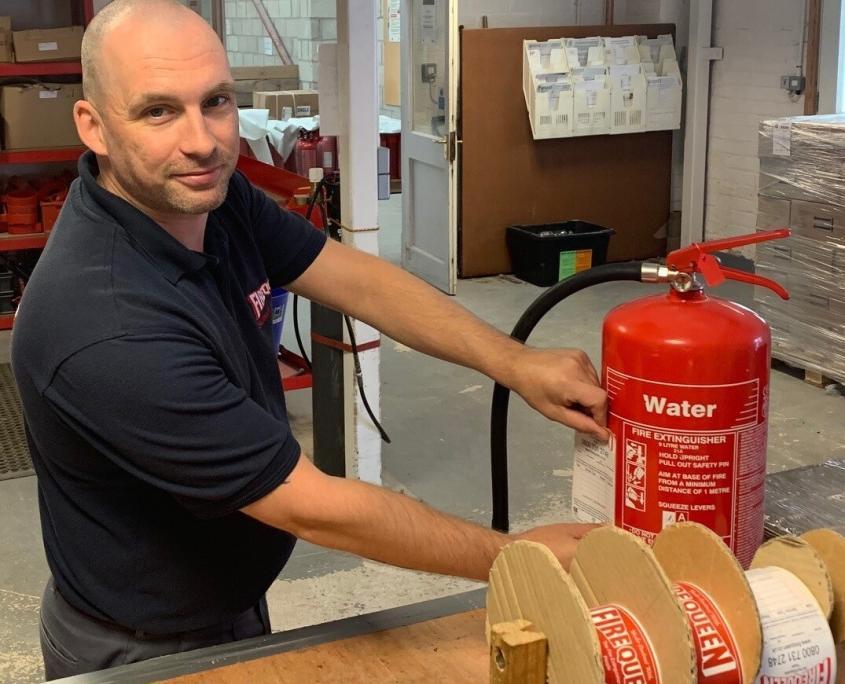
Top 10 Tips For PAT Testing Equipment For PAT in Solihull
The UK Portable Appliance Testing Program (PAT), which is a compliance-based program that relies on the proper use of calibration, calibrated, and the correct use of test equipment. The quality, calibration, and the correct application of testing instruments are crucial to the accuracy and reliability of tests for safety. Testing equipment used for electrical testing must meet the requirements of the IET Code of Practice for inspection and testing in-service of electrical equipment. This code is the industry norm for good practices. Each instrument is crucial in verifying safety for electrical equipment, whether it's a sophisticated portable appliance tester, or a basic voltage indicator. Understanding the capabilities, limitations, and legal requirements surrounding this equipment is essential for any dutyholder seeking to ensure that their testing program is not only performed but also is legally valid and technically sound under the Electricity at Work Regulations 1989.
1. The Portable Appliance Tester (PAT Tester) Itself in Solihull
This is the primary instrument, an automated device that is designed to conduct safety tests. Modern testers range from basic testers that run earth continuity, insulation resistance and test for lead polarity, to sophisticated models offering additional tests such as load/run current earth leakage, load/run current, and touch current. One of the main attributes is the ability to carry out "soft tests" or leakage tests on delicate devices that contain electronic components (e.g. computers, printers) that could be damaged by the high voltage applied in a typical insulation test. The test instrument used should be based on the level of complexity of the appliances to be tested.
2. Annual calibrations are required by UKAS accredited laboratories. in Solihull
This is not negotiable for conformity. The PAT tester has to be calibrated at regular intervals, typically annually, through a laboratory that is that is accredited by the United Kingdom Accreditation Service (UKAS). This calibration verifies the precision of the instrument and the traceability of the instrument to national standards. The provider must possess an official calibration certificate for each tester they use. If a test result is invalidated due to an instrument that is out of calibration or not calibrated is the result if an accident occurs.
3. Users Checks and Functionality Testing (Daily/Pre Use)
The technician must carry out daily functional checks which are often called "user checks" or "verification tests" prior to beginning any tests. This usually involves evaluating an already-tested "proof load" or a set of test lead. If the tester doesn't give the expected result of passing for this item known to be of high quality, it is likely that there is a fault in the tester. The tester should not be used until it has been repaired or calibrated. This easy test will ensure that the equipment works properly on the date of use.
4. The vital role of visual Inspection Equipment in Solihull
Although often neglected often, the tools needed for an accurate visual inspection are just as important as the electronic tester. These include tools for dismantling appliances as well as plugs (screwdrivers) and an inventory of the proper fuse ratings needed to replace the fuse, a label maker, or pre-printed labels to identify the source of the problem, and flashlights for examining dark places. This is the point at which most faults are detected. By skimping on this step, you undermine your entire testing process.
5. Specialised Test leads and adapters in Solihull
A skilled technician will have an entire set of adaptors that interfaces with all types of outlets for appliances. There are a variety of adaptors that are available, such as regular UK 3-pin connectors, IEC leads adaptors which test lead ends that can be detached such as clamshell leads, croc clips for testing devices that do not have plugs, like industrial machines, and adaptors to shaver plugs, commando plugs and IEC-60309 industrial connectors. Failure to connect properly can result in a test not being completed or not being completed.
6. Earth Bond Test Led and its significance for Class I Equipment
Earth bond testing is essential for testing the earth bond for Class I appliances which need an earth circuit for safety. The test lead must have a high current capacity (typically 5-25 A) to ensure that a secure connection to the earth circuit is confirmed. A poor-quality lead or one not suited to the test current can give an inaccurate reading for the test, creating a potentially lethal safety risk. Technicians must know the importance to use the correct test lead.
7. Resistance testing for insulation and voltage Parameters
Insulation resistance testing is a method of determining insulation integrity with insulation integrity using a DC high voltage (typically about 500V). Technicians must know when to perform this test, and when not to (for example when testing electronic equipment or surge protectors, a leakage test will be more appropriate). The device must be able to provide the test voltage specified by the IET.
8. The instrument's presets as well as the pass/fail criteria in Solihull
The most reliable PAT testers come with built-in pass/fail criteria that are based on the limitations set forth in the IET Code of Practice (e.g. earth bond resistance <0.1O + R, insulation resistance >1MO). Transparency demands that the technician is aware of these limitations and does not arbitrarily alter them to make them pass. The provider needs to be able verify that their equipment is in compliance with these thresholds set by industry experts in order to guarantee reliable and justified results.
9. Capabilities for Data Management and Reporting in Solihull
Modern PAT testers have data loggers. They can save thousands or hundreds of test results. These can be downloaded to software for certificates, asset lists and generation of failure reports. Transparent providers use this capability to provide clear and precise documents of the work they have done. Manual paper-based records are prone errors, destruction and falsification. They are not reflective of best industry practice.
10. Secondary Verification of Voltage Indicators GS38 in Solihull
The PAT tester can be the main tool, but a technician with the required skills will have a separate voltage gauge, or voltstick in order to ensure that the electrical connection is dead especially when replacing plugs or examining an issue. The HSE Guidance Note, GS38, outlines the design requirements, including fingers guards, insulated electrodes and suitable current fuses. This adds a critical layer of security for the operative conducting the test. Follow the most popular electrical equipment testing in Solihull for blog tips.
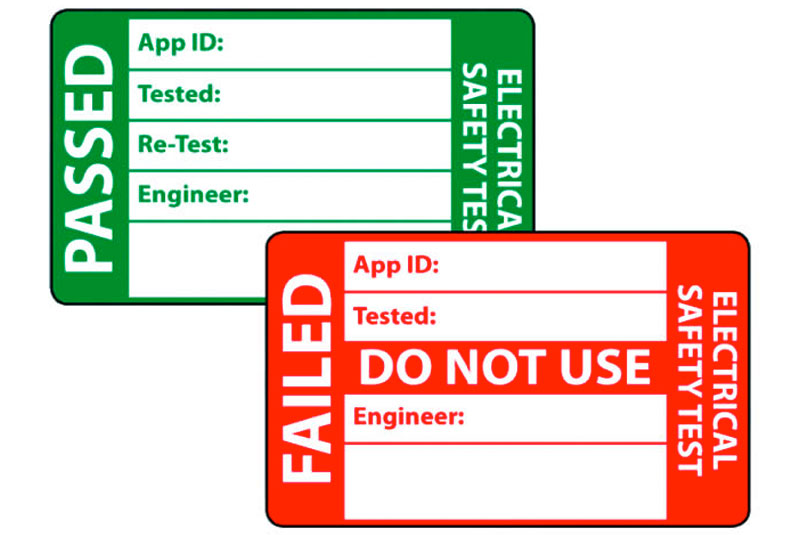
Top 10 Tips On Contract Of Service For Fire Extinguisher Maintenance in Solihull
In the UK, a service agreement to repair fire extinguishers is a crucial decision that extends beyond the simple question of the cost. Within the UK regulatory framework, which is governed under the Regulatory Reform (Fire Safety) Order of 2005, a contract for service is the legal mechanism through which the responsible person discharges his or her legal duty to ensure the maintenance of the fire-fighting apparatus. A well-structured contract agreement will guarantee compliance and also establishes clear responsibilities among the parties. A poorly drafted contract can cause false safety, unintentional liabilities, or compliance gaps. Understanding the intricate components of these contracts ranging from inclusion clauses and pricing models, to termination clauses and liability limitations–is essential for selecting a partner who is not content to just manage your equipment, but also take on your legal obligations and help you implement a solid security plan for fire.
1. Types of Contracts – Full-Compliance as well as Time and Materials in Solihull
Understanding your contract's structure is vital. The most extensive contract is a Full Compliance Contract or an All-inclusive Contract. For a set annual cost, the provider takes on the responsibility for all scheduled servicing (annual, 5-year, 10-year) comprising all the necessary components, labor, and refill agents. They proactively schedule visits and ensure all work is documented. This method provides a budget-friendly solution and carries any unanticipated costs to the provider. In contrast, a Time-and-Materials or Call-Out contract typically will cover the basic annual service. A 5-year discharge test is an example, and any additional work will be charged as an additional. This can result in unpredictable expenses and make it difficult to work with more complicated scheduling of services.
2. Pricing Structure and Transparency
A trustworthy contract will have an itemised and transparent pricing structure. Examine the quote to ensure it breaks down the costs in a clear manner. Does it include a specific price for each type of extinguisher? Does it include an additional line item for the annual service, and an estimated price for future services, if they are not included? It is crucial to uncover all possible hidden costs. You should ask about mileage charges and call out charges administration charges, and the cost to replace extinguishers that have been damaged or are obsolete. Transparency builds trust and allows an accurate budgeting.
3. What's Included in the Scope of Service?
This is the basis of the agreement. It should be clear which services are included. Does the cost include:
What are the annual essential services?
All extended 5-year services (discharge tests for foam, water, and powder)? in Solihull
All 10-year overhauls and CO2 pressure testing? in Solihull
Replace the parts (seals pins, valves, hoses etc.)
Refill agents? in Solihull
Can I borrow equipment from a repairer for a long-term repair? in Solihull
Important is the inclusion of a clear list excluded items, including replacement for stolen or damaged units or repairs that are required due to malicious harm.
4. Visits and Schedule Services. Protocols
In the contract, the service provider should be held accountable for the scheduling. Do they call you to arrange an annual visit? What amount of notice will they provide? What's the protocol for an engineer's arrival? Are they expected to report to the reception or will they need accompaniment? It should also specify the time frame for the service visit based upon the size of your facility and how you will carry out the service without creating any disturbances. This is particularly important in environments that have a high volume of traffic, such as hospitals or retail stores.
5. Documentation and Delivery of Certification in Solihull
The requirement to provide documents is not a gesture of goodwill, but a legal requirement. The contract must clearly state what certifications will be issued and when. A complete Service Report is required after each service. This report must contain the list of all devices that have been serviced and the type service performed. It must also mention any issues or suggestions that were discovered. This report should be promptly given as it will be the main proof of compliance. The contract must also indicate what format it is in (e.g. the digital PDF file access to an internet portal, or a printed copy) and who will receive it.
6. The fault resolution policy and the replacement of equipment in Solihull
A critical clause details the procedures for handling damaged equipment. What is the definition they use for "beyond economically repair" (beyond the point of repair for economic reasons)? What are their rules for reprimanding extinguishers? It must be stated clearly in the contract that who is accountable for the replacement of an extinguisher. This should be included in a contract that covers all compliance requirements and is not subject to exceptions, like theft. The terms must also specify the timeline for supplying and installing the replacement in order to ensure that your premises aren't left unprotected for an extended time.
7. Response Times for emergency and Reactive Work in Solihull
Situations of emergency aren't planned. The contract should define the company's obligation to take action in the event of an emergency like vandalism or accidental discharge. Is a phone line dedicated? What is the guarantee response time to a request for a callback or an engineer to visit the site? These terms are typically categorized based on the severity of the problem and may incur additional costs in certain contract types Therefore, they should be understood upfront.
8. Liability insurance and indemnity in Solihull
This is a significant legal safeguard. The contract must state the limits of Public Liability Insurance and Professional Indemnity Insurance. Verify that their insurance coverage is current and adequate. Also, you should review any the clauses which restrict the liability of the company. While it is common that liability is restricted to the amount specified in the contract, make sure that the amount is within a reasonable limit. Also, ensure that they are fully liable if they are negligent or have a failure to perform their duties in accordance with the standard agreed upon.
9. The contract duration as well as renewal and termination clauses in Solihull
Be aware of the commitments you're taking. Is the contract locking you into a long-term contract such as five or three years, or is it a rolling one? What is the notice period to cancel? Do you have penalties if you terminate early? The renewal clause should state that the service provider will not automatically renew your contract unless there is the provision of a new quote. Also, you should be able to terminate the contract in case of breaches, such as frequently non-attendance or inability to provide a certification.
10. Subcontracting Clauses and Assignment Clauses in Solihull
Be sure to read any clause that gives the service provider to subcontract work out or transfer the contract. Subcontracting is not uncommon. However the contract must state that all subcontractors must have the same accreditation (e.g. BAFE SP101), and insurance, as the main contractor. This will ensure that the quality and the compliance of the services are guaranteed regardless of the person who is performing the work, thereby making sure you are protected from a decrease of standards. Check out the top rated fire extinguisher inspection in Solihull for blog info.